
Leak Detection Redundancy by Design: High Availability Leak Detection System for AI Data Center
In liquid-cooled AI data centers, leak detection must remain operational during infrastructure failures—when cost of leak risks is high and rapid response matters most. A network interruption should not isolate the system from facility operators, and a loss of power to one controller should not leave critical AI infrastructure or GPU servers without protection.
PermAlert PAL-TS control panels can address these risks through two complementary layers of redundancy: dual-network connectivity for network-path failover and an active/passive panel architecture for controller and power resilience. Together, these capabilities help reduce single points of failure between the sensing infrastructure and the systems responsible for monitoring and response.
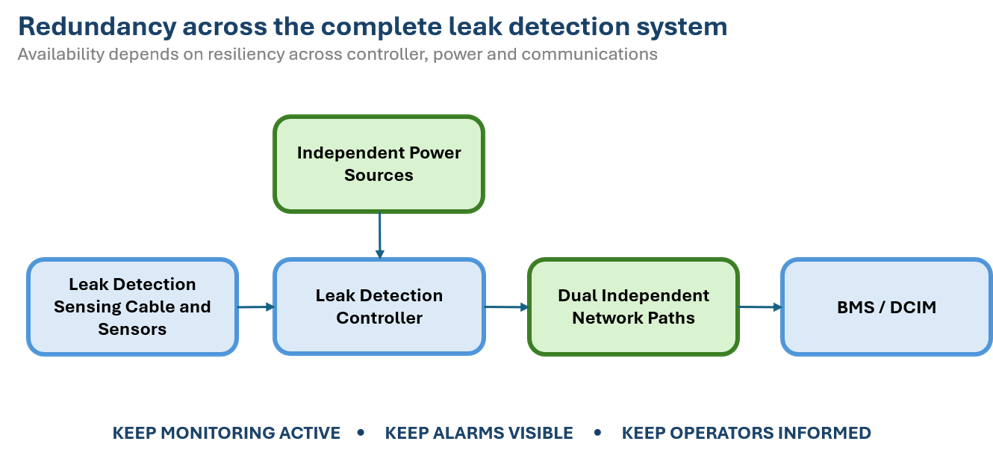
Figure 1. A resilient architecture separates panel, power and network paths.
Network redundancy through dual NICs
PermAlert PAL-TS control panel incorporates two network interface controllers, or NICs. When the interfaces are connected and configured through separate network paths, the panel can support network failover if the primary connection becomes unavailable.
For example, one NIC can connect through the facility’s primary network switch while the second connects through a separate, redundant switch. If a cable, switch port, network switch or upstream communication path fails, monitoring communications can transition to the alternate path based on the facility’s network configuration.
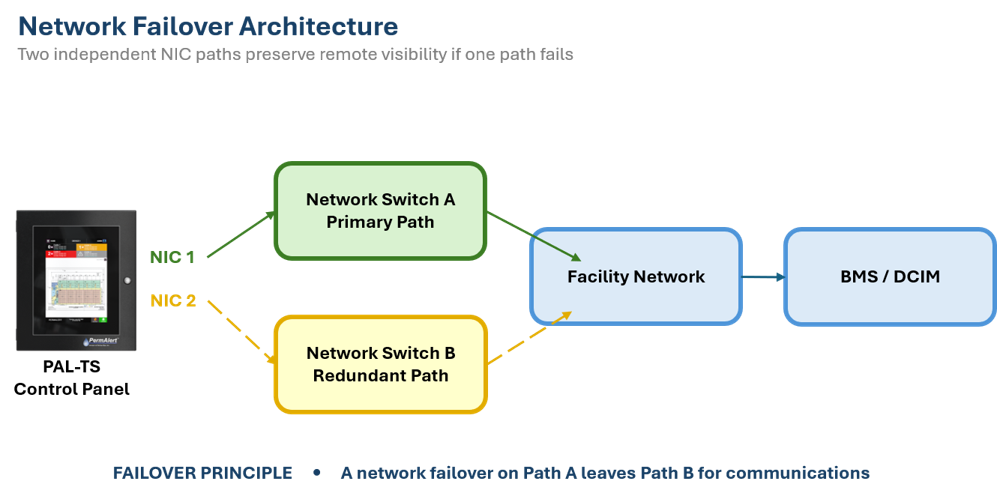
Figure 2. Dual NICs support independent primary and redundant network paths to the supervisory platform.
This creates an important distinction between a connected leak-detection system and a resilient one. A panel with only one network connection may continue detecting leaks locally during a network outage, but operators and supervisory platforms could lose remote visibility. Dual-network connectivity helps preserve communications with:
· Building management systems
· Data-center infrastructure management platforms
· Supervisory control systems
· Remote operator workstations
Design consideration. Both NICs should not terminate on the same switch when the objective is true network-path redundancy. Separate switches, power sources, cabling routes and upstream paths should be used wherever practical.
Active-passive architecture for panel and power redundancy
Network redundancy protects communications, but it does not address a loss of power or a failure within the primary leak-detection panel itself. For higher-availability applications, two TS panels can be deployed in an active-passive architecture. The active panel performs normal monitoring while the passive panel remains available as the backup.
The panels can be supplied from independent power sources, such as separate branch circuits, UPS sources or redundant facility power paths. If the active panel loses power or becomes unavailable, the passive panel can assume the monitoring role according to the engineered failover configuration.
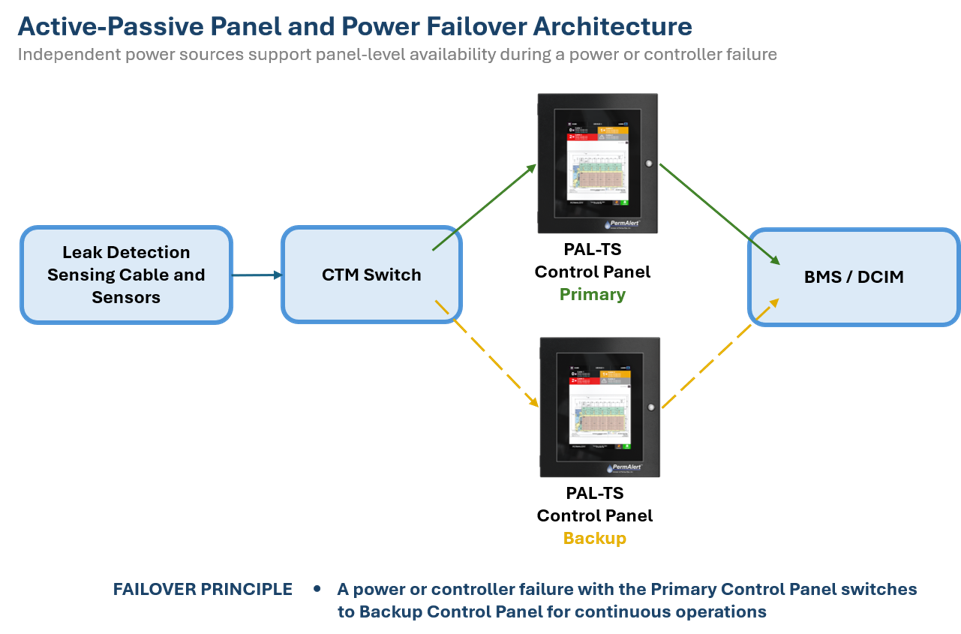
Figure 3. Independent power paths and an engineered failover interface support active-passive panel operation.
This architecture can protect against several potential single-point failures:
· Loss of power to the active TS panel
· Failure of the active panel’s power supply
· A controller or internal hardware fault
· Planned maintenance or replacement of the primary panel
Design consideration. Both control panels must have independent power supplies to achieve true redundancy architecture.
Two layers of resilience
Network redundancy and panel redundancy address different failure modes and should be viewed as complementary rather than interchangeable.
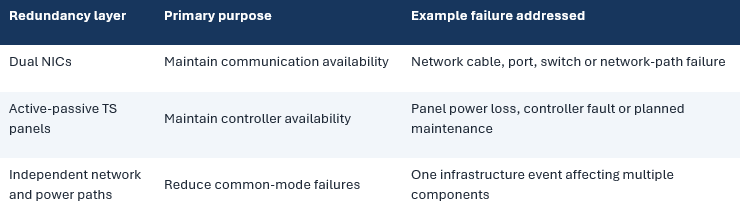
A resilient design separates controllers, power supplies, network switches and communication routes wherever practical. Connecting both NICs to one switch—or both panels to one circuit—does not remove the underlying single point of failure.
Why redundancy matters for leak detection
The value of redundancy is especially clear in data centers and other mission-critical facilities. Cooling-system faults, electrical disturbances, maintenance activities and infrastructure failures may occur together rather than as isolated events.
A power incident, for example, could affect cooling equipment, control devices, network switches and leak-detection panels at the same time. If the leak-detection system depends on the failed infrastructure, operators may lose visibility exactly when rapid detection and response are most important.
A redundant PermAlert architecture is designed to help preserve three essential functions:
1. Continuous monitoring of the sensing infrastructure
2. Continued transmission of alarms and system status
3. Availability of information needed for timely response
Redundancy does not replace sound system design, preventive maintenance or response planning. It strengthens each by reducing the likelihood that a single failure will disable a critical layer of protection.
From detection to operational resilience
Leak detection is often evaluated by sensitivity, accuracy, coverage and alarm response. For mission-critical applications such as AI data center, availability should be considered an equally important performance criterion.
By combining dual-NIC network connectivity with an active/passive TS panel architecture, PermAlert can support a more resilient leak-detection strategy—one that protects not only against liquid events, but also against failures in the infrastructure used to report and manage those events.
The objective is straightforward: keep monitoring active, keep alarms visible and keep operators informed—even when part of the supporting infrastructure is unavailable.
PERMALERT | CONTINUOUS LEAK INTELLIGENCE FOR RESILIENT OPERATIONS