
False Alarms: The Hidden Challenge in Leak Detection

As liquid cooling becomes standard across AI data centers and high-performance computing environments, leak detection has become an essential layer of infrastructure protection. While detecting a leak quickly is critical- but there's another challenge that often overlooked by data center operators during the process of selecting suitable leak detection system: rate of false alarms.
The best leak detection system isn’t simply the one that detects liquid first. It’s the one operators trust every time an alarm occurs. A leak detection system that generates frequent nuisance alarms can create unnecessary disruptions, waste valuable resources, and ultimately reduce confidence in the monitoring system itself.
The Hidden Cost of False Alarms
False alarms do more than create inconvenience.
Every alarm requires investigation, often involving facility personnel, operations teams, and maintenance staff. Repeated false notifications can lead to:
Unnecessary inspections and troubleshooting
Increased labor costs
Operational distractions
Reduced confidence in monitoring systems
Delayed response to genuine leak events
In mission-critical environments, every unnecessary alarm consumes valuable time and attention. Worse yet, false alarms can eventually desensitize operators to alarms that truly matter.
Why False Alarms Occur
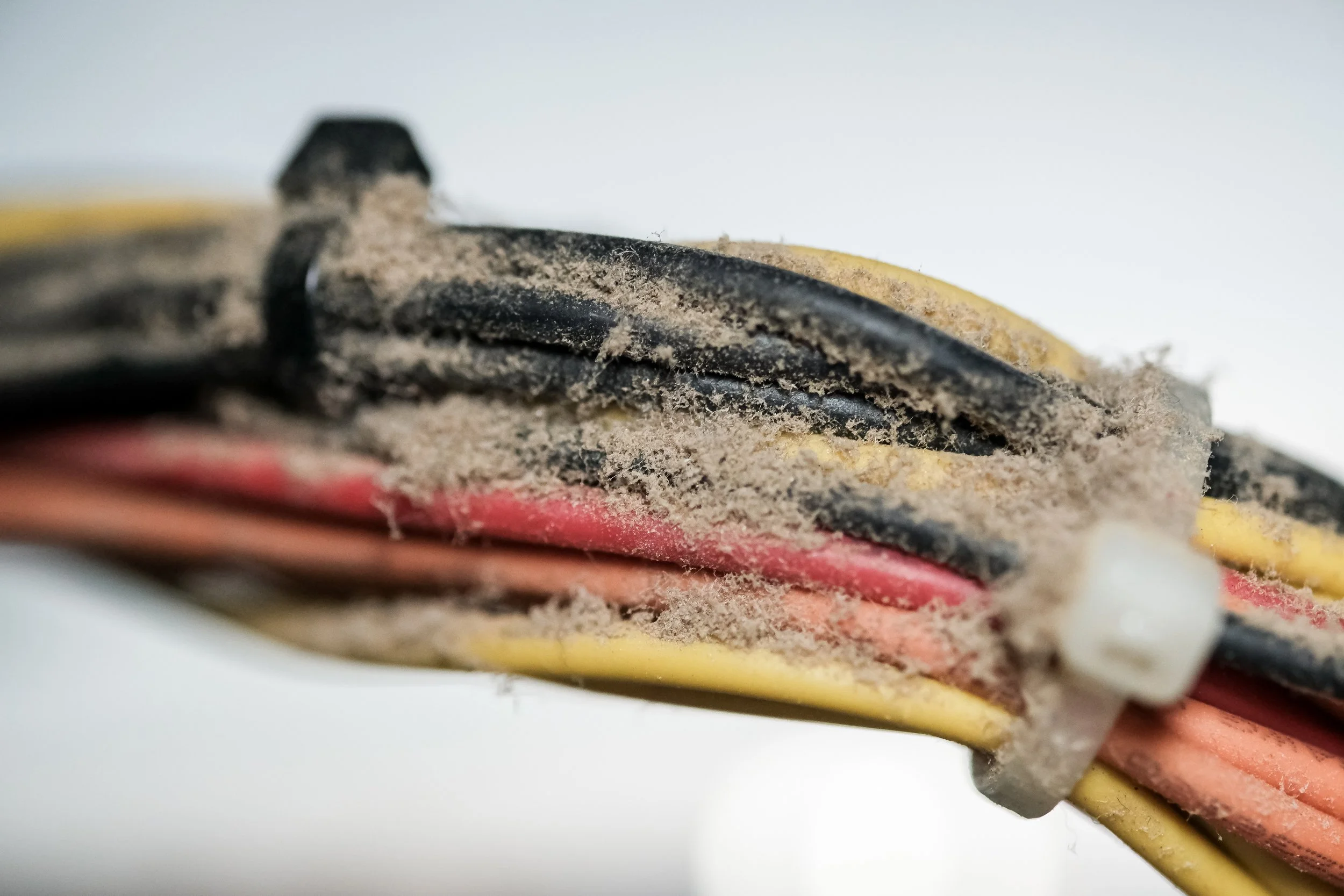
Not all leak detection technologies respond to environmental conditions in the same way.
Many conventional leak detection systems rely on changes in electrical resistance to indicate the presence of liquid. Depending on the sensing design and installation environment, factors such as dust accumulation, residue, contamination, condensation or contact with conductive materials may influence sensor behavior and increase likelihood of false alarms.
As liquid cooling deployments expand and AI data center move toward increasingly dense coolant network, maintaining leak detection system alarm integrity becomes even more important.
Why TDR Technology Makes a Difference

PAL-TS®
The PAL-TS series is the latest advanced TDR-based leak detection system. The intuitive 10.2” touchscreen interface quickly pinpoint leak location in the real-time graphical layout. The enhanced reporting and logging capabilities provide ease in reviewing historical data and meeting audit requirements.
Time Domain Reflectometry (TDR) takes a fundamentally different approach.
Rather than relying solely on changes in electrical resistance, TDR analyzes changes in the dielectric properties along the sensing cable and identifies where changes occur. This enables continuous monitoring while providing highly accurate spatial resolution to pinpoint leak location as well as detect multiple / growing leaks.
Just as importantly, TDR technology is designed to maintain stable performance in demanding environments, helping reduce false alarms caused by environmental contamination such as dirty, dust or EMI.
The result is greater operator confidence that when an alarm is generated, it deserves immediate attention.
Confidence Through Precision

PermAlert's TDR-based leak detection systems combine continuous monitoring with precise leak location to deliver actionable information—not simply alarm notifications.
Facilities benefit from:
Reduced nuisance alarms
Precise leak location
Faster troubleshooting
Fewer unnecessary service calls
Reduced downtime
Improved protection of critical IT infrastructure
Instead of spending valuable time investigating questionable alarms, maintenance teams can focus on responding to verified leak events quickly and efficiently.
Reliability Matters
As liquid cooling systems move closer to servers, CDUs, and rack-level equipment, leak detection is no longer just about detecting liquid leaks.
It is about providing actionable information operators can trust.
A system that frequently generates false alarms can create uncertainty. A system that delivers accurate, actionable information allows operators to respond with confidence in protecting mission-critical infrastructure.
Because in modern AI data centers, detecting a leak is only half the challenge.
Knowing that every alarm matters is what truly protects uptime.